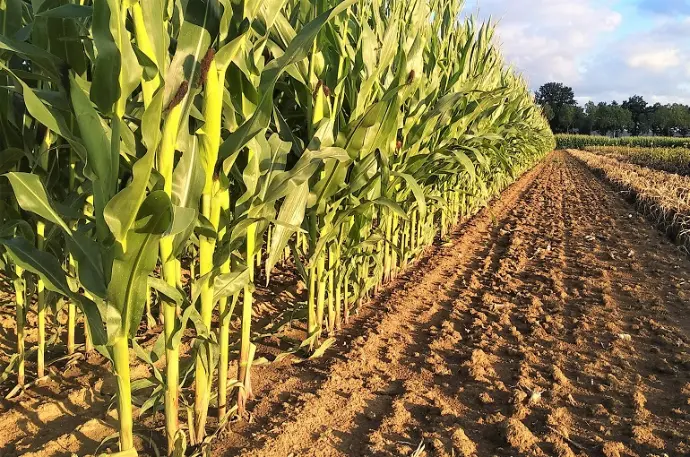
Choosing the right nitrogen fertilizer and applying it at the correct time can significantly improve maize yields, particularly in dry conditions.
Research has shown that Limestone Ammonium Nitrate (LAN) consistently outperforms urea because it supplies nitrogen in both nitrate and ammonium forms, making it immediately available to crops. Urea, by comparison, must first be converted in the soil before plants can fully utilize it, making it more vulnerable to losses through volatilization, leaching, and ammonia toxicity.
Studies have found that applying nitrogen approximately three weeks after planting produced the highest yields, especially in regions receiving less than 700 mm of annual rainfall. Applying all nitrogen at planting was significantly less effective, particularly when using urea.
Key findings include:
- Higher yields with LAN than with urea across all application timings.
- Greatest advantage at planting, where LAN produced up to 3.2 tonnes/ha more grain than urea under dry conditions.
- Reduced risk during dry spells, as LAN is less susceptible to nitrogen losses and ammonia toxicity.
- Improved nitrogen efficiency, resulting in stronger crop growth and better fertilizer value.
Yeno Agric Recommendation
For maize production, particularly in dryland farming areas, consider using LAN as your primary nitrogen source and apply the majority of your nitrogen 3–4 weeks after planting. This approach helps maximize nitrogen uptake, reduce fertilizer losses, and improve the potential for higher yields.
Note: Fertilizer recommendations should always be adapted to your soil type, rainfall, and cropping system. Consult a qualified agronomist for advice specific to your farm.